Bridging Theory and Field Reality: A Journey into Integrated Farming at Skyline Smog Farm
Eleven University of Ghana agricultural science students explored integrated farming, organic fertiliser production and circular agriculture during a practical visit to Skyline Smog Farm.
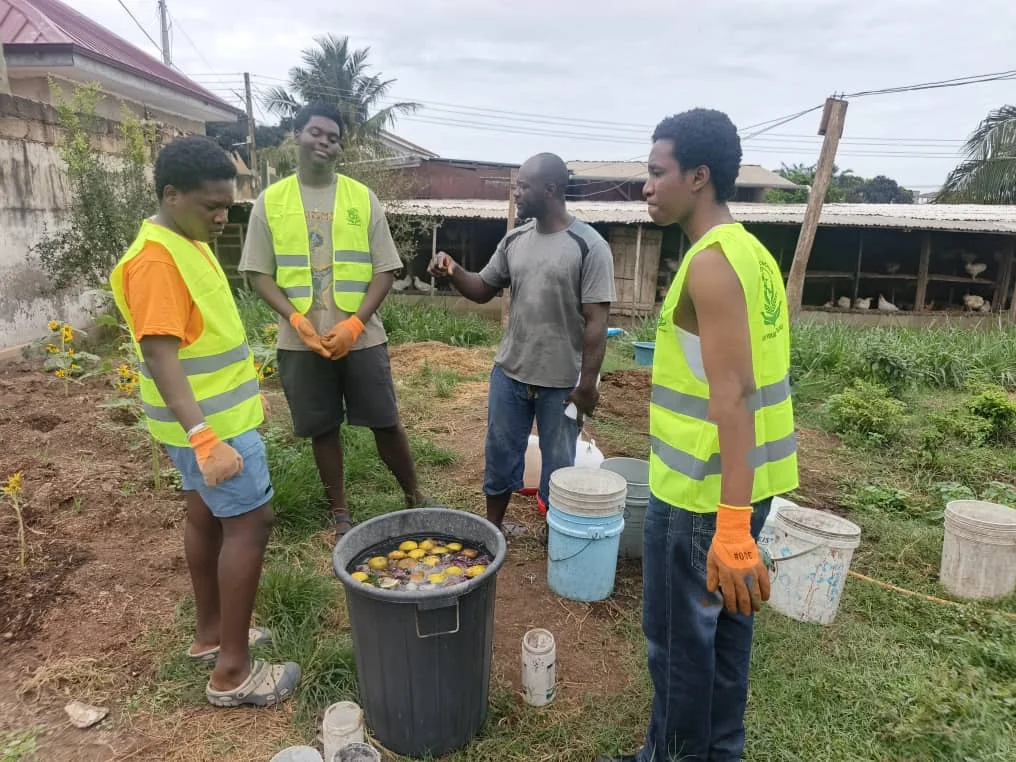
For eleven Level 100 agricultural science students from the University of Ghana, classroom concepts came to life during an immersive field visit organised in partnership with Farm to the World at Skyline Smog Farm. Wearing high visibility safety vests and protective gloves, the students stepped into a working farm ecosystem to see how several agricultural enterprises can support one another in practice.
The Core Philosophy: Integrated Agricultural Systems
The visit centred on integrated farming systems, a management approach in which the outputs and by-products of one farm enterprise can become useful inputs for another.
At Skyline Smog Farm, the students observed three connected areas of production:
Closing these resource loops can reduce dependence on costly external inputs, limit waste and strengthen a farm through several sources of income on a relatively small area of land.
Practical Science in the Field: Liquid Organic Fertiliser
Around a fermentation barrel filled with plant materials and other organic inputs, the students moved from listening to asking practical scientific questions. The demonstration showed how materials that are often discarded can be prepared for agricultural use.
Banana Peels
Banana peels contain potassium and other nutrients. After suitable decomposition, they can contribute to an organic fertiliser mixture. Potassium plays an important role in water regulation, flowering and fruit development.
Citrus Peels
Orange and other citrus peels contain organic acids, trace nutrients and aromatic compounds. Their use requires care because concentrated citrus oils and acidity can affect plants and soil organisms. Proper dilution and decomposition are therefore important.
Onion Skins and Eggshells
Onion skins contain sulphur compounds and trace minerals. Finely crushed eggshells are a source of calcium, although the calcium becomes available gradually as the shells break down. These materials can complement a balanced soil fertility plan when they are prepared and applied correctly.
The discussion also reinforced an important lesson: homemade liquid fertilisers vary in nutrient content. Farmers should observe crop response, avoid over-application and use soil or nutrient testing where possible.
What First Year Agricultural Students Took Away
The field visit connected several foundational ideas from the students’ studies with decisions made on a working farm.
Soil Science in Action
Organic matter can support microbial activity, soil structure and nutrient retention. The students could see that soil health is not an abstract idea. It is shaped by what a farmer adds to the soil and how those materials are managed.
Circular Agriculture in Practice
In a carefully managed farming system, many by-products can become resources. Animal manure can support crop production, while plant residues can be composted or processed rather than discarded.
Learning Through Questions
The on-site discussion encouraged students to test classroom knowledge against field conditions. Asking why a material is used, how it is prepared and what risks it carries builds the judgement required for responsible agricultural work.
Where Theory Becomes Useful
The visit to Skyline Smog Farm demonstrated that sustainable agriculture depends on both scientific rigour and practical resourcefulness. For these future agricultural professionals, the farm offered something a lecture room cannot fully reproduce: the opportunity to see how animals, crops, nutrients, labour and business decisions interact in one living system.
The strongest lesson was not that every farm should look the same. It was that agricultural knowledge becomes most valuable when students can observe a real system, question it and understand why it works.
#IntegratedFarming #AgriculturalEducation #UniversityOfGhana #SustainableAgriculture #OrganicFertiliser #CircularAgriculture #FarmToTheWorld #GhanaAgriculture #FieldTraining #YouthInAgriculture
Integrated Farming Field Visit in Pictures and Video
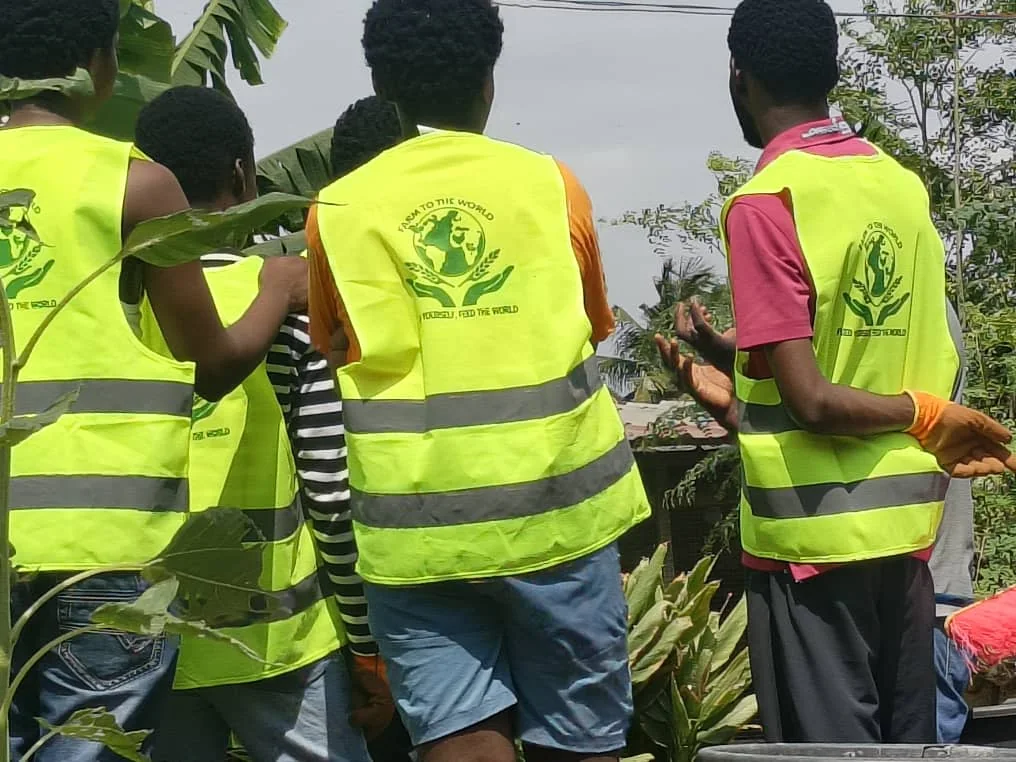
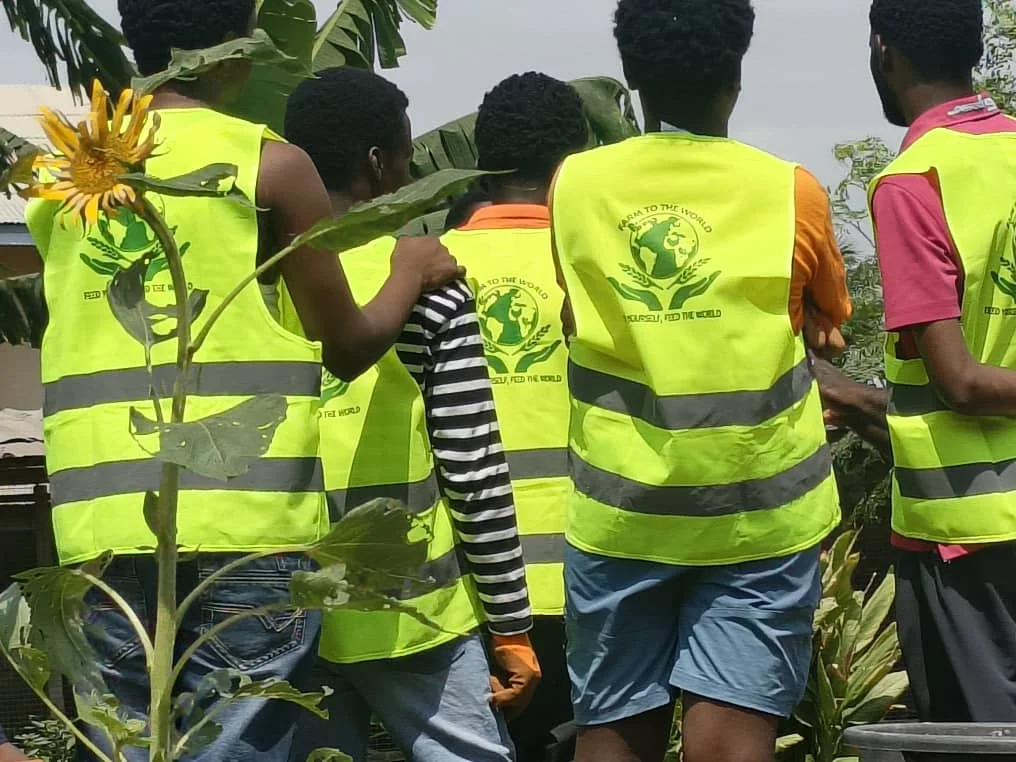
University of Ghana agricultural science students joined Farm to the World for practical learning at Skyline Smog Farm, including an organic fertiliser demonstration and discussion of integrated farming systems.
Continue Exploring Sustainable Agriculture
Discover more Farm to the World stories and practical guides on resilient farming, agricultural education and circular production.
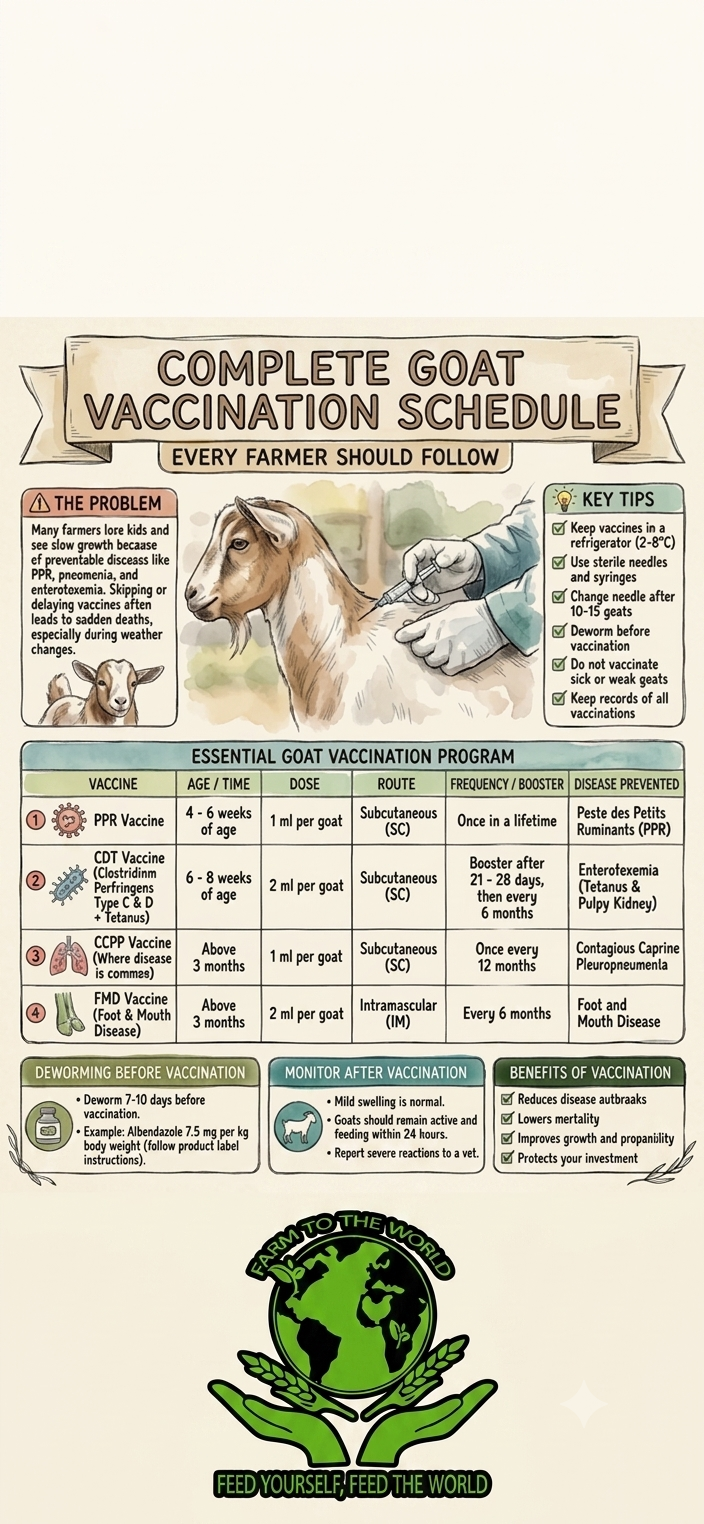
Empowering Communities through Smart Farming: A Guide to Optimizing Crop Rotation and Goat Husbandry
Discover how climate-smart crop rotation with peppers, okra, and legumes combined with commercial goat husbandry can transform smallholder farms in Ghana into resilient, profitable agribusinesses.
Read article
Nurturing the Next Generation: Farm to the World NGO Launches Agricultural Internship Program
Apply now for the Farm to the World Agricultural Internship Training Program in Ghana—hands-on training in climate-smart crop rotation, commercial goat husbandry, agritech, and agribusiness for the next generation of agripreneurs.
Read article
Moringa Farming in Africa: Complete Guide to Production, Processing & Marketing
A practical, farmer-friendly guide to growing, harvesting, processing, and selling moringa — the 'tree of life' transforming nutrition and incomes across Africa.
Read article