Empowering Communities through Smart Farming: A Guide to Optimizing Crop Rotation and Goat Husbandry
Discover how climate-smart crop rotation with peppers, okra, and legumes combined with commercial goat husbandry can transform smallholder farms in Ghana into resilient, profitable agribusinesses.
At Farm to the World, our mission is to build resilient, tech-forward agricultural communities across Ghana. To achieve true long-term food security and passive income stability, modern farmers must move away from monoculture and embrace a diversified, climate-smart approach.
This training article explores how to balance high-demand vegetable crop rotation with efficient livestock management to optimize smallholder acreage and boost yields.
Part 1: Maximizing Crop Yields Through Strategic Rotation
Relying on a single crop season after season depletes specific soil nutrients, degrades soil physical properties, and invites persistent pests. By implementing a diverse crop rotation system, you naturally break pest cycles and keep the soil fertile.
For smallholders looking to maximize cash returns while protecting their land, a three-phase rotation using peppers, okra, and legumes is highly effective:
Phase 1: Heavy Feeders (Peppers & Okra)
The Approach: Start your cycle with high-value cash crops like peppers or okra. These crops demand rich organic matter and robust nutrient profiles to produce high-quality yields.
Soil Management: Ensure the soil physical properties are optimized with well-composted manure before transplanting. These crops benefit significantly from targeted fertilizer applications during early flowering.
Phase 2: Soil Builders (Legumes)
The Approach: Immediately follow your pepper or okra harvest with a leguminous crop, such as cowpeas, groundnuts, or bambara beans.
The Science: Legumes possess a unique partnership with soil bacteria that allows them to "fix" atmospheric nitrogen, transferring it directly into the ground. Instead of stripping the land, this phase naturally rejuvenates the soil, prepping it for the next high-demand crop without requiring expensive synthetic fertilizers.
Phase 3: The Intercropping and Smart Margin Approach
Maximizing Space: To build secondary revenue streams, utilize field margins or practice smart intercropping. Integrating crops like ginger or maintaining space for specialized mushroom cultivation can diversify your farm's output without demanding massive blocks of extra land.
Part 2: Sustainable Animal Husbandry – Commercial Goat Management
Diversifying into livestock acts as a vital safety net for an agribusiness. Goats are highly resilient, adapt exceptionally well to regional climates, and offer high commercial value for meat production. However, moving from backyard keeping to a commercial mindset requires deliberate management.
1. Controlled Housing and Pen Construction
Elevated Flooring: To keep animals healthy, avoid letting them sleep directly on damp soil. Build elevated pens using local wood or bamboo. This allows droppings and urine to fall through, keeping the floor dry and reducing foot rot and parasite infestations.
Ventilation: Ensure the structure protects the herd from heavy rains while allowing excellent cross-ventilation to prevent respiratory illnesses.
2. Strategic Feeding and Nutrition
Beyond Random Grazing: Commercial goat farming requires a structured feeding schedule. Supplement standard forage with high-protein fodder crops like Leucaena or Gliricidia.
Innovative Feeds: Exploring circular agricultural practices—such as utilizing black soldier fly larvae as an alternative protein booster for livestock or farm poultry—drastically lowers input costs while maximizing growth rates.
3. Biosecurity and Health Management
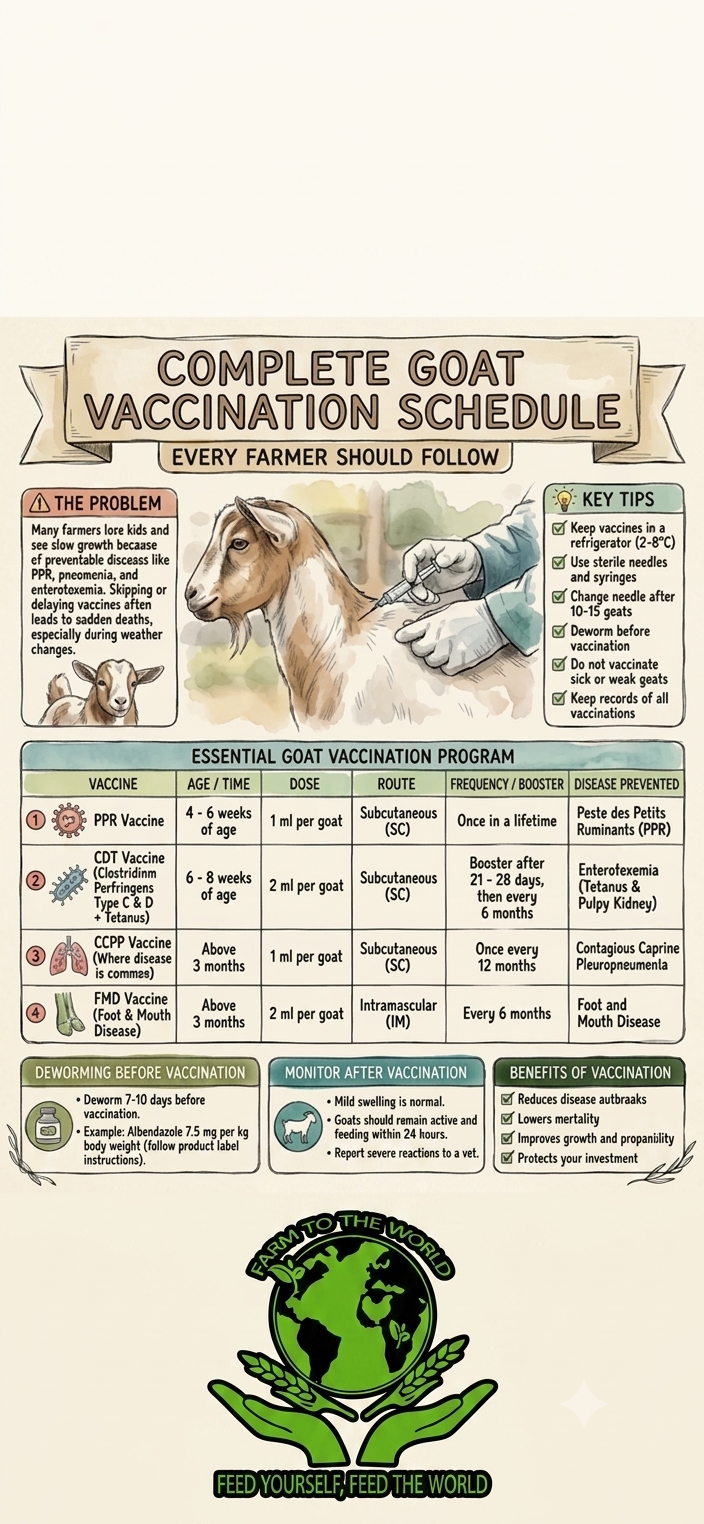
Routine Vaccination: Work closely with local veterinary officers to establish a strict schedule for deworming and vaccinations (especially against Peste des Petits Ruminants (PPR)).
Quarantine: Always isolate newly acquired animals for at least two to three weeks before introducing them to the main herd to prevent the accidental spread of disease.
Part 3: The Circular Farm Connection
The true magic of combining crop production and animal husbandry lies in the zero-waste cycle:
By collecting and composting goat manure, you create a premium fertilizer for your pepper and okra fields, improving soil structure and water retention. In return, the leftover crop residues and nutrient-dense legume husks from your harvests serve as excellent supplementary feed for your herd.
Embracing the Digital Future
As we roll out the SmartAgro platform across our beneficiary communities, tracking these cycles will become simpler than ever. Our field representatives are moving through rural districts to help farmers register, monitor their acreage, and access structured data to optimize planting windows.
By combining traditional agricultural wisdom with structured crop rotation, disciplined animal husbandry, and modern data tracking, we can ensure our farms remain profitable, sustainable, and built to last.
What specific crop combination or livestock challenge would you like our next training module to cover in deeper detail?
Connect with Farm to the World today. Let's cultivate Africa's future—together.
Get in Touch#SmartFarming #CropRotation #GoatHusbandry #ClimateSmartAgriculture #FarmToTheWorld #Agribusiness #GhanaAgriculture #SustainableFarming #SmartAgro #CircularAgriculture #FoodSecurity #LivestockManagement